Visa-Free Policies Drive Tourism Growth as Philippines and Thailand Compete for Visitors
By Tanveer Ahmed :
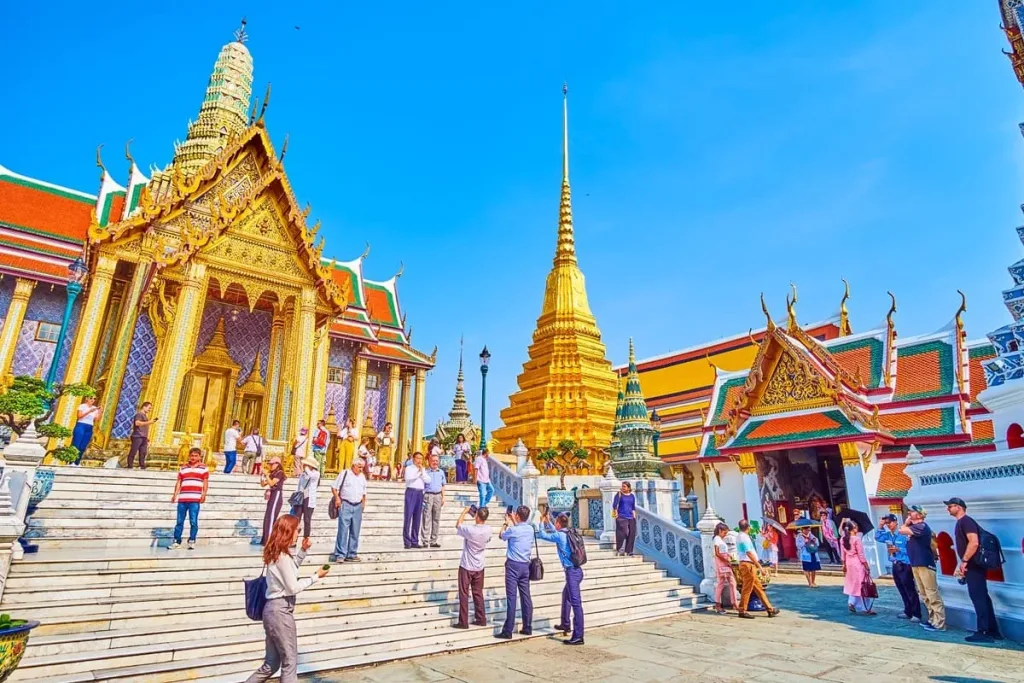
Visa policies have emerged as a decisive factor in shaping international travel patterns, with Southeast Asian nations increasingly using visa-free access as a strategic tool to attract foreign visitors and boost their tourism industries. The Philippines and Thailand stand out as two countries that have successfully harnessed these policies to drive growth.
Both nations have implemented measures to ease entry processes, resulting in significant increases in tourist arrivals and strengthening their positions as leading destinations in the region.
Philippines Takes Targeted Approach
The Philippines has long been celebrated for its pristine beaches, rich cultural heritage, and warm hospitality. In 2025, the country took deliberate steps to enhance its visa framework by launching a visa-free entry program for Taiwanese nationals, recognizing Taiwan as one of its most important source markets in Northeast Asia.
Beginning July 1, 2025, the Manila Economic and Cultural Office implemented a program allowing Taiwanese passport holders to stay in the Philippines for up to fourteen days without requiring a visa. The move received a warm reception from both Philippine authorities and Taiwan’s Ministry of Foreign Affairs, strengthening bilateral ties while encouraging tourism flows.
The results were immediate and measurable. Taiwanese arrivals to the Philippines increased by 6.32 percent in 2025, rising from 201,203 visitors in 2024 to 213,928 in the following year. The growth was directly attributed to the simplified access that the visa-free program provided, particularly benefiting leisure tourism, cruise travel, and educational exchanges.
Building on this success, the Philippines expanded its visa-free offerings in June 2025 to include Indian nationals. This decision tapped into India’s rapidly growing outbound travel market, positioning the Philippines as an accessible destination for Indian tourists seeking short-haul leisure experiences.
The Department of Foreign Affairs described these reforms as part of a broader strategy to increase accessibility, enhance competitiveness, and promote incentive travel from key Northeast Asian markets. By targeting specific high-value sources, the Philippines aims to build on existing relationships while expanding its reach into regions with strong outbound tourism potential.
Thailand Adopts Broader Strategy
Thailand, long established as one of Southeast Asia’s most visited destinations, has taken a different approach by casting a wider net. Known for its vibrant cities, tropical beaches, ancient temples, and rich cultural traditions, Thailand has consistently used visa facilitation as a cornerstone of its tourism strategy.
On July 15, 2024, Thailand expanded its visa-exemption program to include passport holders from 93 countries, allowing visitors from these nations to stay for up to sixty days for tourism or short-term business purposes without applying for a visa. The policy covered travelers from Europe, North America, Asia, and Oceania, making Thailand accessible to a broad cross-section of international tourists.
The expansion proved instrumental in Thailand’s tourism recovery from the COVID-19 pandemic. In 2024, the country recorded over 35 million international visitors, approaching pre-pandemic levels and demonstrating the effectiveness of relaxed entry requirements. Key markets including China, India, and Europe showed particularly strong rebounds, with the visa exemption playing a crucial role in driving demand.
Thailand complemented its global expansion with targeted measures for specific countries. In March 2024, authorities introduced permanent visa-free entry for Chinese nationals, addressing one of the largest source markets for Thai tourism. Temporary visa-free status was also introduced for Indian nationals and other tourist groups, allowing Thailand to capture a larger share of the Asian outbound market.
The Tourism Authority of Thailand has consistently cited visa policy as a key driver of growth, helping the country maintain its competitive edge in the region.
Comparing Strategies and Outcomes
The Philippines and Thailand illustrate two distinct approaches to using visa policy as a tourism development tool, each with its own objectives and results.
The Philippines has adopted a focused strategy, targeting select markets such as Taiwan and India to enhance diplomatic ties and encourage growth in specific regions. This approach aims to strengthen relationships with key partners while expanding short-haul leisure travel and incentive tourism. The 6.32 percent increase in Taiwanese arrivals demonstrates the effectiveness of this targeted method.
Thailand, by contrast, has pursued a broader, global approach, extending visa-free access to 93 countries and aiming to attract tourists from all world regions. This strategy positions Thailand to secure long-term tourism growth by making the country accessible to a wider range of international visitors. The result has been a higher volume of tourist arrivals, with over 35 million visitors in 2024.
In terms of market reach, the Philippines has used focused visa exemptions to foster strong diplomatic and tourism relationships with specific countries. Thailand’s wider coverage gives it global appeal, tapping into diverse markets including emerging Asian sources and traditional European and North American bases.
Lessons for Regional Tourism
Both countries demonstrate that visa facilitation can play a vital role in driving international arrivals and enhancing tourism competitiveness in the post-pandemic landscape. Whether through targeted exemptions or broader global strategies, these policies help nations rebuild visitor numbers, strengthen diplomatic ties, and position themselves as leading destinations.
As global travel continues its recovery, Southeast Asian nations are likely to refine their visa policies further, recognizing that ease of access increasingly determines destination choice for international travelers seeking memorable experiences in the region.
About Author