PTA Chairman Denies Firewall Shutdown, Clarifies Web Monitoring System’s Role
By Tanveer Ahmed :
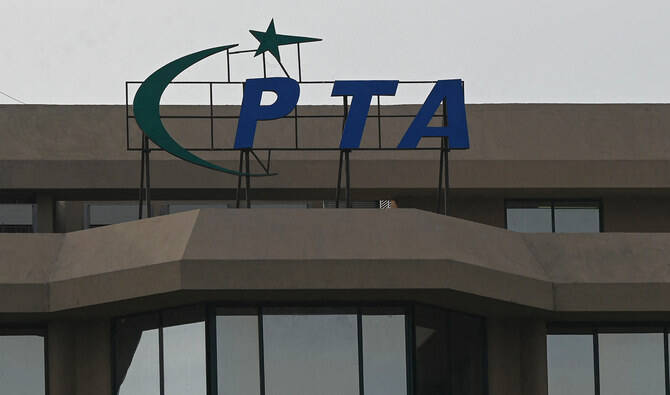
The Pakistan Telecommunication Authority has dismissed reports that the government’s internet firewall was dismantled ahead of the upcoming 5G spectrum auction, with officials telling a parliamentary committee that the system remains fully operational and has been in place for nearly two decades.
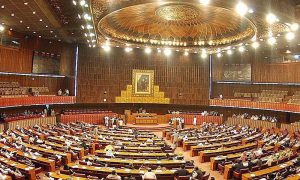
The clarification came during a heated session of the National Assembly Standing Committee on Information Technology on Thursday, where members sought answers about the system’s purpose and its alleged impact on internet services.
System Not Shut Down
Committee Chairman Syed Aminul Haque opened the meeting by noting widespread media reports about the so-called firewall. Member Sadiq Memon requested a detailed briefing on the system and its utility for the nation, specifically asking about the distinction between an internet firewall and the Pakistan Telecommunication Authority’s Web Monitoring System.
Information Technology Secretary Zarar Hashim Khan categorically denied that any such system had been dismantled, confirming that the Web Monitoring System remains fully operational and has not caused any delays in internet services.
PTA Chairman Hafeezur Rehman provided further clarification, explaining that the word “firewall” is simply a colloquial term for the Web Monitoring System, which has been operational in Pakistan since 2006. He informed the committee that the system has undergone four upgrades, with the most recent completed in 2023.
Purpose and Function Explained
Rehman explained that like firewalls globally, the WMS is designed to provide security for digital connectivity within Pakistan. The system was installed to eradicate grey traffic in telephony, block social media platforms, and restrict access to illegal websites operating within the country’s jurisdiction.
“Our digital borders must also be protected,” the PTA chairman asserted, revealing that the system successfully thwarted cyberattacks originating from India during periods of heightened tension between the two countries.
He clarified that social media platforms are only blocked on directives from the government or under court orders. The committee was informed that social media platforms have been blocked seven times to date under such orders, but emphasized that the WMS does not cause internet slowdowns.
5G Auction Preparations
The committee received a comprehensive briefing on preparations for the upcoming 5G spectrum auction scheduled for March 10. All three telecom operators in Pakistan—Jazz, Ufone, and Zong—have expressed willingness to participate.
The PTA chairman noted that over the past twelve years, four spectrum auctions have been held, with the government releasing 69 megahertz. In the upcoming auction, 597 MHz is being offered, with each participant required to obtain a minimum of 100 MHz.
He emphasized that the availability of more spectrum would not only facilitate the introduction of 5G in Pakistan but also help improve and expand 4G coverage across the country.
Individual Account Blocking Clarified
A senior IT ministry official speaking to sources clarified that the WMS is not designed to block individual social media accounts. The official pointed to the X account of PTI founder Imran Khan as evidence, noting that it continues to operate while the former prime minister remains in prison.
“If the WMS could stop individual accounts, why did the government wait so long and finally approach the X management to block this account?” the official questioned.
Background Context
The committee’s proceedings follow months of speculation about the installation of a so-called firewall that many believed was causing internet disruptions across Pakistan. In August 2024, Minister of State for Information Technology and Telecommunication Shaza Fatima Khawaja finally confirmed that the government was upgrading its “web management system” to cope with cybersecurity threats, marking the first official acknowledgment of actions that had been blamed for slow browsing speeds, arbitrary blocking of social media platforms, and WhatsApp connectivity issues.
Prior to that acknowledgment, official stakeholders had either feigned ignorance in response to public outcry or claimed the problems stemmed from telecom and internet service providers or even Meta. Thursday’s committee session provided the most detailed official explanation yet of the system’s purpose and operation.
About Author