Pakistan Launches Major Military Operation After Deadly Border Clashes with Afghan Taliban
By Tahir Shah :
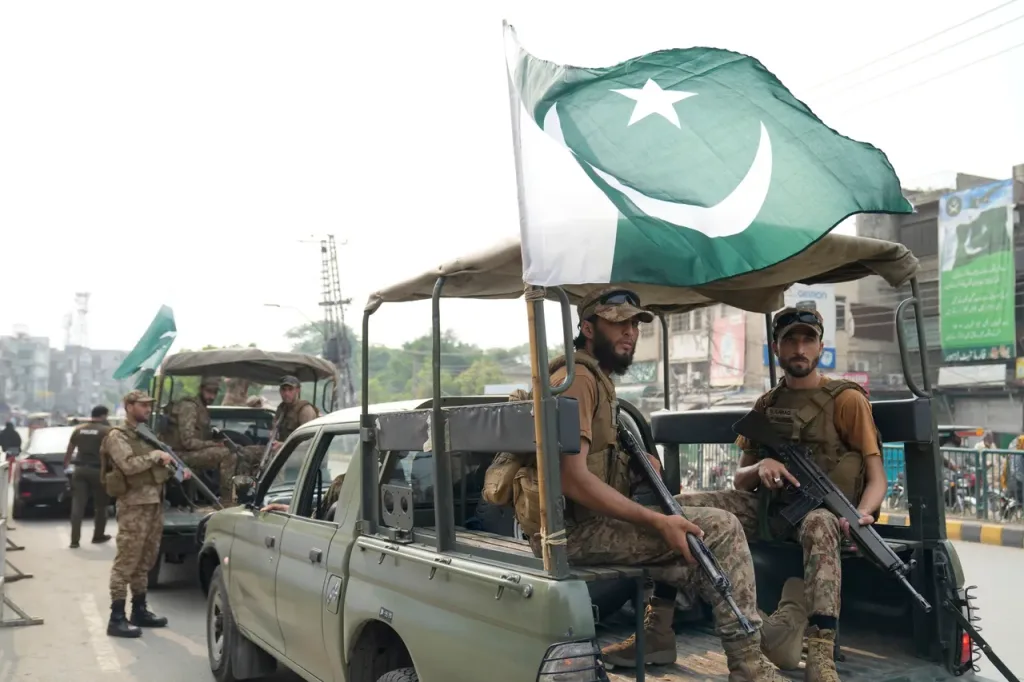
Pakistan has launched extensive military operations targeting Afghan Taliban positions, including airstrikes on key installations in Kabul, Kandahar, and Paktia, following what Islamabad describes as unprovoked aggression along the border, security sources confirmed early Friday.
The Pakistan Air Force carried out strikes under “Operation Ghazab Lil Haq” targeting militant infrastructure inside Afghanistan. According to security sources, two brigade headquarters in Kabul were destroyed, along with a corps headquarters and a brigade headquarters in Kandahar, including an ammunition depot and logistics base. In Paktia, a Taliban corps headquarters was also destroyed during the air operations.
Pakistani jets are now conducting aerial patrols over Kandahar following the strikes, sources added.
Border Confrontation Intensifies
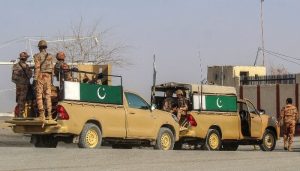
At the Pakistan-Afghanistan border in the Wali Khan sector, the Pakistan Army destroyed another Afghan post, with reports indicating that at multiple Afghan outposts, Taliban fighters have raised white flags in surrender. Security forces carried out targeted operations near the Kharlachi Terminal, Nawapas sector, and in South Waziristan’s Shawal sector, where troops captured a Taliban post near Afghanistan’s Paktika province.
In the Mohmand sector’s Gursal area, troops destroyed several Taliban check posts, killing at least three insurgents. Near Chitral, the Pakistani military successfully targeted and destroyed the Taliban’s Burokot base. Security officials said operations were carried out with precision, neutralizing several insurgent positions.
Casualty Figures and Damage Assessment
Prime Minister’s Spokesperson Mosharraf Zaidi provided detailed casualty figures on X, stating that 133 Afghan Taliban members have been confirmed killed and more than 200 wounded, with many more casualties estimated from strikes in Kabul, Paktia, and Kandahar. Twenty-seven Taliban posts have been destroyed, and nine more have been captured by security forces.
The spokesperson added that operations targeted major Taliban infrastructure, including two corps headquarters, three brigade headquarters, two ammunition depots, one logistics base, three battalion headquarters, two sector headquarters, and more than 80 tanks, artillery guns, and armored personnel carriers have been destroyed.
Two Pakistani soldiers have attained martyrdom while defending the nation, and three others were injured during the operations.
Context of Escalation
The confrontation began when Afghan Taliban forces initiated unprovoked firing along the Pakistan-Afghanistan border in Torkham and Tirah sub-sectors on Thursday evening. Security sources reported that Afghan Taliban attempted to strike Pakistani check posts using quadcopters, but all drones were shot down in a swift and coordinated response.
This escalation follows Pakistan’s intelligence-based strikes last week targeting militant hideouts in Afghanistan’s border regions, which came after a series of deadly suicide bombings inside Pakistan that Islamabad linked to groups operating from Afghan soil.
Political Leadership Responds
Defence Minister Khawaja Asif, in a post on X, said Pakistan’s armed forces are delivering a decisive response to the Taliban and Afghan aggression backed by India. He expressed confidence that defeat of the enemy is inevitable.
The Ministry of Interior strongly condemned what it described as the Afghan Taliban regime’s deliberate targeting of civilian populations, calling the act a serious and unacceptable escalation. In a statement, the ministry said Pakistan’s armed forces delivered a strong and decisive response to open aggression by Afghan Taliban forces.
Information Minister Attaullah Tarar warned that Afghanistan should learn from past setbacks and reaffirmed Pakistan’s commitment to neutralizing any hostile designs aimed at its territory. He condemned false propaganda being spread by the Afghan Taliban regime and Indian social media accounts, stating that such claims are baseless.
Minister of State for Interior Talal Chaudhry accused the Afghan Taliban regime of having a guerrilla mindset and initiating attacks in parts of Khyber Pakhtunkhwa. He questioned what kind of state sends children on suicide missions and then celebrates their deaths.
PTI chairman Barrister Gohar Ali Khan said in a post on X that Pakistan will seek to maintain peace with neighbours wherever possible but will never hesitate to confront any threats directed at the country.
Analysis and Implications
Analysts view the incidents of terrorism originating from Afghanistan—including recent attacks on security forces in Karak, Kohat, and Bhakkar—as an open war by Afghanistan against the state of Pakistan. The suicide attacks during Ramazan reflect that these terrorists have no connection with Islam or Pashtun traditions, analysts noted.
Pakistan has experienced a surge in terrorist incidents in recent months, much of it attributed to the Pakistani Taliban and banned Baloch separatist groups. Islamabad accuses the Pakistani Taliban of operating from Afghanistan, a charge the government in Kabul has repeatedly denied.
Prime Minister Shehbaz Sharif said in a statement that Pakistan’s armed forces possess the full capability to crush any aggressive ambitions and any act of belligerence will be responded to decisively. He emphasized that the people of Pakistan and the armed forces are always prepared to safeguard the country’s security, sovereignty, and territorial integrity.
Officials have urged the public not to pay attention to fake news, noting that accounts linked to India’s intelligence agencies have attempted to amplify false narratives on social media in support of the Taliban. Pakistani security forces, they added, are responding effectively and timely to all hostile actions.
About Author