Pakistan Confirms Airstrikes in Afghanistan
By Tahir Shah :
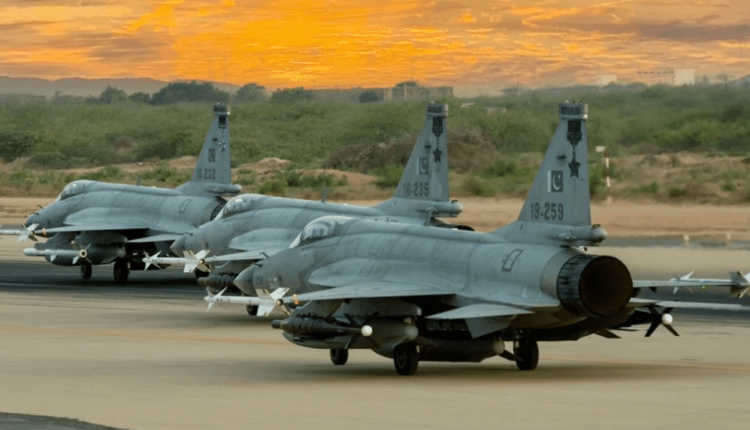
Pakistan has confirmed carrying out intelligence-based airstrikes inside Afghanistan, killing more than 80 militants, in what it describes as a retaliatory operation against groups responsible for a recent wave of suicide bombings.
Security sources said late on Sunday that the strikes destroyed seven centres belonging to the banned Tehreek-i-Taliban Pakistan (TTP) referred to by the state as Fitna al-Khawarij and affiliated groups, including the Islamic State-Khorasan Province (ISKP). The targets were located in the eastern Afghan provinces of Nangarhar, Paktika, and Khost.
The action, announced by the Ministry of Information and Broadcasting on the social media platform X, was taken “in the aftermath of recent suicide bombing incidents in Pakistan.” Officials specifically cited attacks on an Imambargah in Islamabad, as well as bombings in the Bajaur and Bannu districts, the most recent of which occurred on Saturday during the holy month of Ramazan.
“Pakistan has conclusive evidence that these acts of terrorism were perpetrated by Khwarij on the behest of their Afghanistan-based leadership and handlers,” the ministry’s statement read, asserting that the strikes were a “retributive response” based on “intelligence-based selective targeting.”
Parliamentary Affairs Minister Tariq Fazal Chaudhry framed the military action as a necessary response to national suffering. “The strikes by the Pakistan Air Force were retribution for the innocent lives lost to terrorism,” he posted on X. “Whoever looks at us with evil intent, we will destroy them, and no one will be spared.”
Kabul Protests ‘Violation of Sovereignty’
The strikes have drawn a sharp rebuke from the Taliban-led administration in Kabul. A spokesperson for the Afghan foreign ministry condemned the action as a violation of Afghanistan’s sovereignty and said Pakistan’s ambassador had been summoned.
An Afghan official described the strikes as “a provocative act,” claiming they had killed and wounded dozens of civilians. Reuters quoted the Taliban administration as saying an “appropriate and measured response will be taken at a suitable time.”
Pakistani authorities dismissed those claims, describing them as a “false and malicious narrative designed to create cover for terrorist sanctuaries.” Security officials maintained that TTP fighters routinely blend into civilian areas and use non-combatants as human shields, adding that operational planning included measures to reduce or eliminate collateral damage. They described the action as a “limited, proportionate response to an ongoing terror wave.”
Images emerging from Nangarhar’s Bihsud district, one of the locations Afghan authorities claim was targeted, showed residents using a bulldozer to clear rubble from a destroyed building, which was being guarded by Taliban fighters.
Souring Relations
The airstrikes mark a significant escalation in the deteriorating relationship between Islamabad and Kabul. Tensions have soared since the Afghan Taliban’s return to power in 2021, with Pakistan repeatedly accusing its neighbour of harbouring TTP fighters who launch cross-border attacks.
Islamabad says its repeated appeals to the Taliban administration to dismantle terrorist sanctuaries on Afghan soil have gone unheeded. In its statement, the Pakistani government asserted that the Taliban regime had “failed to undertake any substantive action” against the groups.
“The safety and security of people of Pakistan comes first and foremost,” the ministry said, calling on the international community to urge the Taliban government to honour its commitments under the Doha Agreement to prevent its soil from being used against other countries.
This is not the first time Pakistan has conducted such operations. In November of last year, the Taliban government accused Pakistan of carrying out airstrikes in Khost, Kunar, and Paktika provinces, though Islamabad neither confirmed nor denied those reports at the time. Those strikes followed deadly border clashes in October 2025, which, according to the Pakistani military, resulted in the deaths of 23 Pakistani soldiers and over 200 Afghan Taliban and affiliated fighters.
The recent surge in cross-border tensions follows a deadly vehicle-borne suicide attack on a security post in Bajaur district on February 16, which killed 11 Pakistani soldiers and a young girl. The TTP claimed responsibility for that assault. Investigators later identified the suicide bomber as a member of the Afghan Taliban’s special forces from Balkh province.
About Author