
FemTech Data Privacy in Pakistan: The Silent Crisis in Women’s Digital Health
By Tanveer Ahmed :
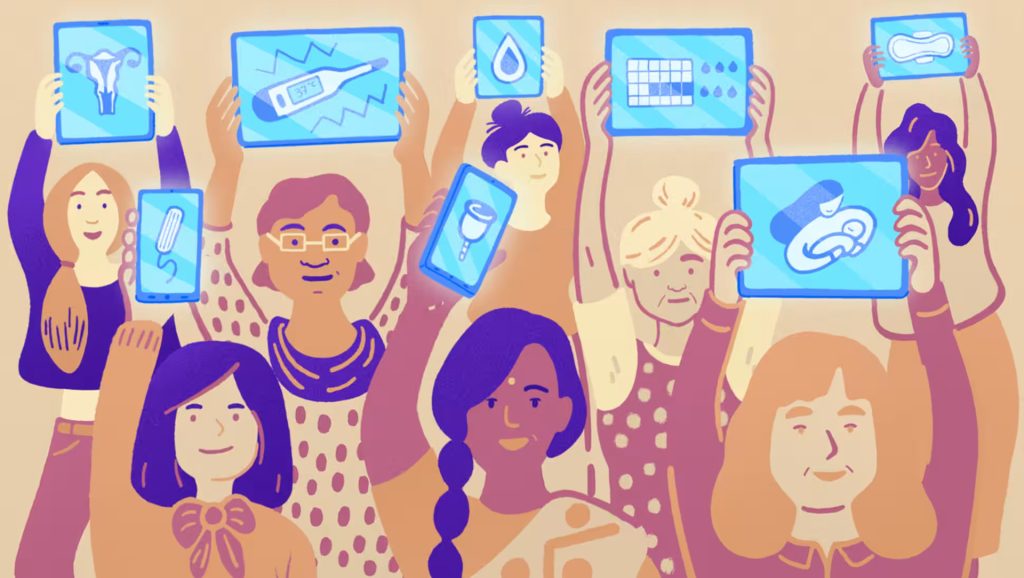
In a bedroom somewhere in Lahore or Karachi, a young woman logs into her period tracking app. She logs her cycle, notes her symptoms, maybe flags that she’s trying to conceive or desperately trying not to. She feels empowered, informed, in control of her body for perhaps the first time.
What she doesn’t see is where that data goes.
FemTech the sector dedicated to women’s health technology is exploding globally, and Pakistan is no exception. From fertility tracking to maternal health apps, millions of Pakistani women are quietly adopting these tools, often without realising they’re handing over the most intimate details of their lives to companies with murky data practices.
And that’s a problem.
The Data You Didn’t Know You Shared
Here’s the uncomfortable truth about FemTech apps: they collect far more than your period dates. We’re talking sexual activity logs, pregnancy attempts, miscarriage histories, mental health indicators, even details about vaginal discharge. In the wrong hands, this data isn’t just embarrassing it’s dangerous.
A 2025 study by researchers including Pakistan’s own Mahnoor Jameel analysed popular female health applications and found something alarming: harmful permissions, extensive collection of sensitive medical data, and numerous third-party tracking libraries embedded in the code . Translation? While you’re tracking your ovulation, advertising networks are tracking you.
Muhammad Hassan and his team, including Jameel, examined 45 popular FemTech apps and discovered that many were quietly sharing data with third parties advertisers, analytics firms, sometimes dozens of them. The privacy policies? Often vague, non-compliant with basic data protection principles, or written in language nobody actually reads.
For Pakistani women, the stakes are higher than most realise.
Why Pakistan Should Care
Let’s be honest: Pakistan doesn’t have a comprehensive data protection law. Not yet. While Europe has GDPR and India has its Digital Personal Data Protection Act, Pakistan’s personal data protection bill remains stuck in legislative limbo. That means FemTech companies operating here both local startups and international apps face minimal legal oversight.
And here’s the uncomfortable part: much of this data is stored on servers outside Pakistan. When a Lahore-based woman logs intimate health details into a US-based app, she’s subjecting herself to American data laws or the lack thereof. In a post-Roe world, reproductive data can be subpoenaed, used in court, or sold to data brokers without her knowledge or consent.
Privacy experts call this the “period tracker problem.” In conservative societies like Pakistan, where discussions about reproductive health remain taboo, the exposure of such data could lead to social ostracisation, family disputes, or worse.
The Transparency Gap
Research consistently shows that women care deeply about privacy when choosing health apps often ranking it higher than cost or ease of use . But how can they make informed choices when privacy policies are deliberately opaque?
Digital health reviews by organisations like ORCHA have repeatedly flagged concerns about FemTech apps sharing data with advertisers. Some users report receiving baby product advertisements shortly after logging fertility data a distressing experience for anyone, but particularly cruel for women dealing with miscarriage or infertility.
For Pakistani women, who may not have the digital literacy to navigate complex privacy settings or understand the implications of third-party tracking, the vulnerability is amplified.
What Needs to Change
First, Pakistan needs a data protection law and it needs it yesterday. A robust legal framework would require FemTech companies to obtain explicit consent, minimise data collection, and be transparent about how user information is used and shared.
Second, there’s a role for regulators like the Pakistan Telecommunication Authority. If the PTA can block social media platforms for “immoral content,” surely it can scrutinise apps collecting intimate health data from millions of Pakistani women.
Third, FemTech companies themselves need to step up. Transparency isn’t just regulatory compliance it’s competitive advantage. Users notice when brands respect their privacy. In a market built on trust, losing it can be fatal.
The Bottom Line
FemTech has the potential to transform women’s health in Pakistan to break taboos, provide education, and empower women to understand their bodies in ways their mothers never could. But that potential means nothing if users don’t feel safe.
For Pakistani women, the message is simple: before you download that period tracker, before you log that symptom, before you share that deeply personal detail ask yourself where that data is going. Because once it’s out there, you can never really take it back.
And for Pakistani policymakers: the world is moving toward stricter data protection. Europe has GDPR, India has its Digital Personal Data Protection Act 2023 with penalties up to Rs 250 crore . Pakistan is being left behind. Every day without a data protection law is another day Pakistani women’s most intimate secrets remain exposed.
The technology is here. The adoption is happening. The only question is whether Pakistan’s legal and regulatory framework will catch up before the inevitable breach occurs.
About Author